Free Smartphones
Showing posts with label green living tips. Show all posts

Green Driving Tips And Save Money

One of the worst ways in which we can ruin our environment is by driving conventional cars. By burning fuel we contribute to the worsening ozone levels and to make matters worse, the increasing prices of gas don't help us to save money while we drive our cars.

Therefore you need all the help you can get to drive green and save money in the process. The current economy certainly doesn't contribute to people's financial worries and unless you know how to save money wisely you might be chasing the wrong end of the tail.

The following green driving tips are a smart way to go green and help contribute to our planet's health and your pocket.


The first thing you need to do to go green is to make sure your car has decent tires fitted. Up to 20 percent of your fuel can actually be wasted with the wrong tires, especially if the resistance is too high. This makes the car work a lot harder, hence more fuel is getting wasted. It pays to spend a little more upfront by buying decent fitted tires to save money long-term.

If you are stuck in traffic jams or need to wait at traffic light it is a good idea to turn off your engine if you wait longer than 60 seconds. The same energy is used to restart a car as if it was to run in idle mode. This helps to save you money and stops unnecessary emissions of green house gases.

Many car drivers carry far too much gear around with them. Just because you don't have to physically carry it you shouldn't load your car to capacity either. In fact, doing this will waste fuel, money and contribute to the decline of our planet. Think green and lighten your load.

Have you ever considered to carpool? If not you should. Just by carpooling with 3 others you can save up to 25 percent of your weekly fuel cost. Take equal turns in driving each other's car or else decide to use the one car only and help with financial contributions to fuel.

Walk this way. To help green the planet why not walk more? Especially if you just pop down the road to pick up some groceries, consider walking instead of driving the car. This will actually not only help to save you money but also keep you fit.
Read more >>

Green Living Tips For Computer Users

Do you know that using laptops and desktop computers have a lot of diference in terms of energy comsumption?

The following are some rough calculations based on coal fired power generation for just the computer aspect:

Laptop = 50w x 10 hours a day x 365 days = 182.5 kilowatts
Desktop = 300s x 10 hours a day x 365 = 1095 kilowatts

There is a huge difference as you can see and in terms of carbon emissions, the savings by using a laptop are around 1360 pounds annually or over half a ton.

Switching from a desktop machine to a notebook is a great way to save electricity. However, even with a desktop system there's a lot you can do to green your computer use.


When you're not using your computer for extended periods, switch your computer off at the wall to avoid phantom power load consumption.

Ensure your power saving/management options are enabled and properly configured. In Windows, this can be found in Settings/Control Panel/Power Options

While using your computer, only have your screen as bright as you need it - unneccesarily bright screens will use additional electricity.

For a screen saver, use a blank (black) screen as animated screen savers are energy suckers.
Read more >>

Green Living Tips On How To Purify Your Indoor Air - Part IV

This is the 4th part of Green Living Tips On How To Purify Your Indoor Air.

Vent or Shut Off Your Wood Stove
Fireplaces and wood or gas stoves in your home can produce carbon monoxide, nitrogen oxides and fine particle pollution, as well as other toxic air pollutants.

Use a fireplace or wood stove only if you must have it for heat. If you must use a wood or gas stove or fireplace, make certain it is fully vented to the outside. Wood stoves should meet State of Washington emission standards, which require cleaner-burning stoves.

Beware of Formaldehyde
Formaldehyde is a nearly colorless gas found in many home products. Disinfectants, adhesive or bonding agents, insecticides, urea formaldehyde foam insulation and particle board may all contain formaldehyde. It is a carcinogen and can cause health problems that include coughing, eye, nose, and throat irritation, skin rashes and asthma-like symptoms. People with asthma may be more sensitive to formaldehyde.

Keep formaldehyde away from your home by choosing wood panel products that are not made with urea formaldehyde glues, lumber or materials. Cigarette smoke is also a major source of indoor formaldehyde -- another reason to ban smoking from your home.


Avoid Pesticides
Pesticides used to curb household pests can allow harmful chemicals into your home and may cause added health dangers to children and pets. Still, some pests can trigger allergic reactions and worsen asthma.

Practice integrated pest management to keep your home free of pests and harmful chemicals alike. Integrated pest management includes simple things like blocking holes and keeping food in tightly sealed containers. Cover your trash cans and keep your floors and counter free of crumbs. Use bait traps if necessary to catch pests. Only use chemicals as a last resort and get professional help.

Avoid Toxic Products
Consumer products can produce harmful air pollution indoors. Hair and nail products, cleaning products, art and hobby supplies and other common products can increase the levels of VOCs, or volatile organic compounds. Some of the VOCs in these products include substances linked to cancer, headaches, eye and throat irritation and worsened asthma.

Look for products which are marked “low VOCs” and be sure to open windows and use exhaust fans when using these products.

Ventilate Your Kitchen
Cooking can be a big source of indoor air pollution, especially if you have a gas stove. Scientists who measured indoor air quality found that cooking a single meal on a gas stove can produce levels of nitrogen dioxide that the EPA considers unsafe to breathe. Nitrogen dioxide can worsen asthma and increase your risk of respiratory infection.

Ventilate your kitchen stove directly outside or open a kitchen window when you cook. Keeping exhaust -- including cooking odors and particles -- outside of your home prevents dangerous fumes and particles from harming you or your family.

Ventilate Your Bathroom
Bathroom fans can help reduce the level of moisture in your home and prevent the growth of mold. Make sure to use them whenever possible. If you are building a home or remodeling, install a fan with a separate timer that can continue to remove moisture after you turn out the light.

A little common sense goes a long way. If a bathroom smells like mold or you can see water spots, you need to reduce the moisture level of your home. Always start by identifying the source of household problems, and then find the simplest step to fix it. Taking small steps to improve the air quality of your home can have tremendous results.

Know The Limitation Of Air Purifiers
Air cleaning devices can help reduce some of the tiniest airborne particles, and as part of a comprehensive strategy, may help reduce indoor air pollution.

However, they have limits. For example, they aren't effective against gases or humidity. Larger, heavier particles -- including many allergens -- fall too quickly out of the air to be effectively removed this way.

If you chose to use an air cleaning device, make sure that it does not produce ozone -- either intentionally or as a byproduct.

Don't Install Carpet
Avoid using carpet whenever possible. Carpet traps unhealthy particles -- including chemicals, dust mites, pet dander, dirt and fungi -- and vacuuming can make them airborne.

If you do have carpets, use a HEPA (high efficiency particle air) vacuum cleaner to ensure better air quality.

Hard surface flooring, like wood, tile or cork can be readily cleaned by damp mopping.

Read more >>

Green Living Tips On How To Purify Your Indoor Air - Part III

Protect Your Kids From Bad Air On The Bus

Your child may be breathing high levels of dangerous pollution inside their school bus, including diesel exhaust, fine particles and carcinogens. Studies of air inside old diesel school buses found high levels of a wide list of pollutants, with consistently higher levels than outdoor air.

Protect children's health by advocating for the use of clean diesel school buses. While all buses emit pollution, buses with cleaner equipment installed can reduce the amount of pollution your child breathes.

Properly ventilating your home is one of the best ways to protect and improve air quality. High levels of moisture in your home increase dampness and the growth of mold, which not only damage your home but threaten health. Dampness and mold are linked to increased wheezing, coughing and asthma attacks in people with allergies. Normal daily household activities -- including cooking, washing and even breathing -- produce water vapor, so having adequate ventilation is essential to remove moisture from the air.

Try these dehumidifying tricks to keep the humidity in your home below 50%.
  • Install and run exhaust fans in bathrooms to remove unhealthy moisture and odors from your home.
  • Make sure that vents exhaust air outdoors and not into other parts of your home.
  • Remove any mold damage or growth and fix all leaks.
Beware of Dry Cleaning Chemicals

Dry cleaning solvents are strong chemicals, and can be toxic to breathe. Let dry cleaned items air outdoors before bringing them inside. Hanging them on an outdoor clothesline will prevent many of these chemicals from entering your home.

Beware Of Old Lead Paints


Keeping the air clean within the walls of your home starts with the walls themselves.

Lead-based paints can still be found in homes built before 1978. Any peeling, chipping or chalking of lead-based paint can increase the risk of unhealthy lead exposure. Young children risk delays in mental development, lower IQ and behavioral problems from inhaling lead paint dust. Some of those damages can be permanent.

Remodeling that requires sanding, scraping or removing walls will release paint dust into your living space. However, you can reduce the risk if you take the proper steps. The Environmental Protection Agency offers these six recommendations:
  • Keep areas where children play as dust-free and clean as possible.
  • Leave lead-based paint undisturbed if it is in good condition; do not sand or burn off paint that may contain lead.
  • Do not remove lead paint yourself.
  • Do not bring lead dust into the home.
  • If your work or hobby involves lead, change clothes and use doormats before entering your home.
  • Eat a balanced diet, rich in calcium and iron.
Get professional help for peeling paint or remodeling if your home was built before 1978. Older homes likely have lead-based paint on the walls, doors and trim. Inhaling the lead paint dust can be harmful to your health and professionals can help you stay safe.

Read more >>

Green Living Tips On How To Purify Your Indoor Air - Part II

This is a continuation on my previous post on green living tips on how to purify your indoor air.

Kill the Dust Mites
Dust allergies are actually allergies to dust mites -- microscopic pests that need moisture to survive. Scientists have also concluded that breathing dust mite allergens can cause asthma in children. Dust mites feed on human skin and live in bedding, pillows, mattresses, stuffed toys, upholstery and carpets.

To fight dust mites in your home:
  • Keep humidity levels below 50% indoors.
  • Use a dehumidifier if necessary.
  • Intensive vacuuming and steam cleaning of upholstered furniture may help.
  • Remove carpets.
  • Using dust-mite-resistant covers and washing your bedding in very hot water may help as part of a comprehensive approach, but don’t rely on those steps by themselves.
Don't Disturb Asbestos - Get Help
Asbestos is a mineral fiber that can still be found in many older homes. Inhaling tiny asbestos fibers can increase the risk of lung cancer and other lung diseases. Pipe coverings, flooring, shingles and roofs are likely places to find asbestos.

Check asbestos-containing materials regularly for damage from tears, water or wear. Don't try to remove asbestos that is already in place; asbestos is best left undisturbed. If the material is damaged or you plan to remodel, protect your health by getting professional help.
Read more >>

Green Living Tips On How To Purify Your Indoor Air

Do you know that your indoor air quality is 2-5 times more polluted than outdoor air? The Environmental Protection Agency estimates that people spend 90% of their time indoors, and this indoor air pollution can threaten the health -- and the lives -- of everyone in your family.

The most effective way to keep the air in your home safe and healthy is to keep away cigarette smoke, excess moisture and chemical. Ventilate your house to pull dangerous pollutants out of the house. Run the exhaust fans in your bathroom and kitchen. Open your windows. Make sure you have a good exhaust system in place for appliances and stoves.

3 Most Deadly Indoor Air Pollutants
  1. Carbon monoxide: over 400 people die each year and thousands of others become ill or seek medical attention after exposure to the odorless gas. Sometimes the early symptoms resemble the flu, but look for these differences: if more than one family member has symptoms -- even your pets -- and you feel better away from home, you may have a carbon monoxide problem. Carbon monoxide levels can rise very quickly in unventilated areas without anyone noticing the colorless, odorless, toxic gas. Protect yourself by installing a carbon monoxide detector near your sleeping rooms. Also have all fuel burning appliances inspected by a qualified technician once a year to keep the deadly gas away from your home.
  2. Secondondhand smoke: 7,500-15,000 children are hospitalized or sickened with respiratory tract infections, and older adults with cardiovascular or lung illness are at higher risk of health problems from cigarette smoke exposure. Never let anyone smoke inside your home. The Surgeon General states that there is no safe level of secondhand smoke. Ask smokers to take it outside to protect the health of you and your family.
  3. Radon gas: Is a lethal and invisible killer. It is the leading cause of lung cancer in nonsmokers and the second-leading cause of lung cancer, period. Scientists estimate that radon causes thousands of deaths annually.

    Radon is an odorless, invisible gas that occurs naturally in soil and rock and can only be detected through testing. Protect yourself and your family. Test your home for radon. Testing is easy and inexpensive and getting rid of radon may save your life.silent. It's odorless. It's found in many American homes, and it is the second biggest cause of lung cancer, after cigarette smoke.
Fix Leaks
Rain and high humidity can bring moisture indoors, creating dampness, mold and mildew -- big problems for healthy indoor air. Dampness alone -- not just mold -- is associated with higher risk of wheezing, coughing and asthma symptoms.

Check your roof, foundation and basement or crawlspace once a year to catch leaks or moisture problems and route water away from your home’s foundation. Fix problems as quickly as possible to prevent unhealthy dampness from entering your home.

Clean Your Air Conditioner and Dehumidifier
Asthma is the leading serious chronic illness of children in the U.S. Help keep asthma triggers away from your house by fixing leaks and drips as soon as they start. Standing water and high humidity encourage the growth of dust mites, mold and mildew -- some of the most common triggers that can worsen asthma. Use a dehumidifier or air conditioner when needed, and clean both regularly.

Keep Your Pets Outdoors
Pet allergies can come from an animal’s saliva, urine, feces and dead skin cells, so no pet is “hypoallergenic.” If someone in your family has pet allergies, keep your pet outdoors. Moving your pet from indoors to out can help reduce exposure to these allergens. However, cat allergens can stay in place for 20 weeks or more.

If you must keep your pet indoors, keep it away from sleeping rooms. Clean floors and upholstered furniture frequently (two or more times a week) to reduce exposure to pet allergens indoors. Unfortunately, two often-recommended actions do not seem to work: neither washing pets nor using indoor air cleaning devices helps.

to be continued next posting...
Read more >>

2 Green Living Tips You Should Know

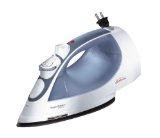
a pictureI would like to share these great green living tips to you all. These will cut down your electricity bill in a little way.

  1. When we iron on a regular ironing board we are only effectively ironing on one side. Inserting a few sheets of aluminum foil in between the ironing board and the board cover will reflect the heat of the iron and Voila! You are now ironing from both sides, meaning you iron quicker and therefore use less electricity.
Give it a try!


Regularly defrosting your freezer can massively improve its efficiency. The ice that builds up becomes an insulator, reducing the effectiveness of the freezing process. Also make sure you use the whole of your freezer, rather than leaving it only half-full.

Conversely, make sure you leave space in your fridge. The fridge needs space so that cold air can circulate, allowing the fridge to operate efficiently. It’s also worth vacuuming the cooling coils of your fridge on a regular basis, otherwise the fridge needs to work harder than it needs to (using more energy).

Read more >>

Living In The Treetops

Do you think this a treehouse for kids? No, not anymore!

According to Pete Nelson's stunning new book entitled "New Treehouses of the World", living in a treehouse is hardly child’s play; it has become a trendy and ecologically advanced accommodation option of the future. In his book it offers an exclusive glimpse into some of the most remarkable and creative living spaces found around the globe. See below for another great design of treehouses.

So cool...no need of aircondition...but guess you need to build some precaution against strong wind and winter time


Photo credit: Pete Nelson, New Treehouses of the World, Abrams, 2009.
Read more >>

Green Tips In Buying Plastic Containers

a pictuePlastics are classified by their "resin identification code"—a number from #1 to #7 that represents a different type of resin. That number is usually imprinted on the bottom of your container; flip it upside down, and you'll see a recycling triangle with the number in the middle.

Here's a quick breakdown of plastic resin types:

#1 polyethylene terephthalate (PET or PETE)
Examples: Disposable soft drink and water bottles

#2 high density polyethylene (HDPE)
Examples: Milk jugs, liquid detergent bottles, shampoo bottles
#3 polyvinyl chloride (V or PVC)
Examples: Meat wrap, cooking oil bottles, plumbing pipes

#4 low density polyethylene (LDPE)
Examples: Cling wrap, grocery bags, sandwich bags
#5 polypropylene (PP)
Examples: Cloudy plastic water bottles, yogurt cups/tubs
#6 polystyrene (PS)
Examples: Disposable coffee cups, clam-shell take-out containers

#7 other (plastics invented after 1987; includes polycarbonate, or PC, and polylactide, or PLA, plastics made from renewable resources as well as newer plastics labeled "BPA-Free")
Examples: Baby bottles, some reusable water bottles, stain-resistant food-storage containers


What To Buy:
  • #2 HDPE, #4 LDPE and #5 PP: These three types of plastic are your best choices. They transmit no known chemicals into your food and they're generally recyclable; #2 is very commonly accepted by municipal recycling programs, but you may have a more difficult time finding someone to recycle your #4 and #5 containers.
  • #1 PET: Fine for single use and widely accepted by municipal recyclers; avoid reusing #1 water and soda bottles, as they're hard to clean, and because plastic is porous, these bottles absorb flavors and bacteria that you can't get rid of.
  • PLA: plastics made from renewable resources such as corn, potatoes and sugar cane and anything else with a high starch content; although you can't recycle these plant-based plastics, you can compost them in a municipal composter or in your backyard compost heap.
Plastics to Avoid:
  • #3 PVC: Used frequently in cling wraps for meat, PVC contains softeners called phthalates that interfere with hormonal development, and its manufacture and incineration release dioxin, a potent carcinogen and hormone disruptor.
  • #6 PS: Polystyrene-foam cups and clear plastic take-out containers can leach styrene, a possible human carcinogen, into food.
  • #7 PC: The only plastic made with bisphenol A, polycarbonate is used in baby bottles, 5-gallon water-cooler bottles and the epoxy linings of tin food cans. Bisphenol A has been linked to a wide variety of problems such as heart disease and obesity.
Shopping Tips
  • Plastics are classified by their "resin identification code"—a number from #1 to #7 that represents a different type of resin. That number is usually imprinted on the bottom of your container; flip it upside down, and you'll see a recycling triangle with the number in the middle.
  • When purchasing cling-wrapped food from the supermarket or deli, slice off a thin layer where the food came into contact with the plastic and store the rest in a glass or ceramic container or wrap it in non-PVC cling wrap.
Usage Tips
  • Avoid storing fatty foods, such as meat and cheese, in plastic containers or plastic wrap.
  • Hand-wash reusable containers gently with a nonabrasive soap; dishwashers and harsh detergents can scratch plastic, making hospitable homes for bacteria.
  • A "microwave-safe" or "microwavable" label on a plastic container only means that it shouldn't melt, crack or fall apart when used in the microwave. The label is no guarantee that containers don't leach chemicals into foods when heated. Use glass or ceramic containers instead.

Read more >>

The Wonders of Hemp : Eco-Friendly Materials (Part II)

Hemp as a fuel.
Hemp is an excellent source of high quality cellulose biomass. Biomass fuels are clean and virtually free from metals and sulphur, so they do not cause nearly as much air pollution as fossil fuels. Even more importantly, burning biomass fuels does not increase the total amount of carbon dioxide in the Earth's atmosphere. The use of biomass will reduce acid rain and reverse the greenhouse effect.

Hemp is the #1 producer of biomass per acre in the world. Biomass energy expert Lynn Osburn estimates that 1 1/2 to 3 1/2 million acres of hemp could replace all of Canada's fossil fuel demands.

The hemp plant will reach a height of up to 5m(16 feet) and sink a main tap root down 2m(6 feet). This tap root will draw nutrients from deep in the soil and make them available to subsequent crops when the hemp leaves are shed on the soil, returning up to 60% of the nutrients it takes. This extensive root system also helps to alleviate the problem of soil compaction.

The hemp paper-making process requires no dioxin-producing chlorine bleach and uses 75% to 85% less sulphur-based acid. The paper mills now in place would require little conversion in order to switch from wood to hemp pulp.

Hemp produces the strongest, most durable natural soft-fibre on earth. Hemp cloth is stronger, more durable, warmer, and more absorbent than cotton.

Hemp grown in Canada will require no herbicide or insecticide applications. Hemp fibre breathes and is recyclable, unlike petroleum-based synthetic fibres. A fully mature hemp plant may contain 1/2 of it's dry weight in seed.

Hemp seed has an oil content of 34%, more than any other seed. Hemp seed oil is second only to whale oil in quality and has the same burning qualities and viscosity as #2 grade heating oil, without any of the sulphur-based pollutants.

Building materials made from hemp can be used as a substitute for wood. These wood-like building materials are stronger than wood and can be manufactured cheaper than wood from trees. Using these hemp- derived building materials would reduce building costs and save even more trees!


Hemp was NOT banned because it was a harmful drug. Hemp was banned because it was a competitive threat to the wood products industry and newly developed synthetic fibers that were patentable, and therefore more profitable than hemp. Corporations that profited from the demise of hemp propagated a smear campaign against hemp by claiming that marijuana use was a major drug problem (it was not) and that marijuana use caused people to become extremely violent-- another falsehood. Unfortunately, these false claims went unchallenged and hemp was outlawed in 1938.
Read more >>

The Wonders of Hemp : Eco-Friendly Materials

a picture
As bloggers we often encounter to read some blogs about products made from hemp, like shoes, bags, food, oil and etc. But have we really understand what is hemp is all about? How does it looks like? Why they are so popular nowadays and noted as eco-friendly, environment-friendly, and or green products? So check out below some of the basic information:

Hemp is a variation of cannabis sativa. It is the most useful plant known to man kind. In fact, cannabis sativa means useful(sativa) hemp(cannabis). It is used to make over 25,000 different products, most of which are superior alternatives to less environmentally friendly products.


Hemp normally requires very little fertilizer, and grows well almost anywhere. It is also pest resistant, so it uses no pesticides. Hemp puts down deep roots, which is very good for the soil, and when the leaves drop off the hemp plant, minerals and nitrogen are returned to the soil. Hemp has been known to grow on the same soil for twenty years in a row without any noticeable soil depletion. Using less fertilizer and pesticides is good for two reasons. First, it costs less and requires less effort. Second, many agricultural chemicals are dangerous and harmful to the environment -- the less we have to use, the better.

Why is hemp better for paper?
Tree paper requires many chemicals to produce quality paper, which are extremely hard on the environment. Paper can be made from hemp without the use of these harmful chemicals. Tree paper yellows and falls apart in a matter of decades, while hemp paper can last for centuries. Hemp paper has been found dating back 1500 years. One acre of hemp can produce as much paper as four acres of trees. Hemp paper is suitable for recycle use 7 or 8 times, compared to 3 times for tree paper. Trees must grow for 20 to 50 years before they can be harvested for commercial use. Hemp requires a growing season of only 100 days! By using hemp for paper,we could stop the deforestation of our country and produce stronger, more environmentally sound paper for less than half the cost of tree paper. Millions of acres of forest and wildlife habitat could be preserved.


Exclusively Green, LLC

to be continued...
Read more >>

Green Washing Tips

Energy-efficient washers can use up to 50 percent less energy and 60 percent less water than standard machines. If you have a top loader, regardless of how old it is, consider replacing it with an energy-efficient front loader.

Energy Star-rated: These machines are 37 percent more energy-efficient and use 18 to 25 gallons per load, about half what traditional washers use. The percentages on our Product Comparison chart represent how much more energy-efficient an appliance is than federal standards require.

Water Factor: Part of the Energy Star rating, the Water Factor is a ratio of how much water is used compared to the size of the drum. For example, a machine with a 4-cubic-foot drum that uses 24 gallons per load has a water factor of 6. The figure is more accurate than gallons per load, since washers vary so much in size. The lower the number, the better. Energy Star-rated machines have water factors ranging from 3.2 to 7.9.


Front-loaders: Front-loading machines are, in general, more efficient than their top-loading counterparts, using 40 to 60 percent less water and 30 to 50 percent less energy. They also have the benefit of faster spin times, which means your clothes dry faster. Some local utilities offer rebates for purchasing front loaders.

Shopping Tips
  • Select a washer with variable spin times. Faster spin cycles rid clothes of more water and aid in drying times.
Usage Tips
  • Adjust the washing machine so that water levels match the load of laundry.
  • Wash only full loads.
  • Wash your clothes in cold water. A slight 10 percent of the electricity consumed in washing a load of clothes goes to run a washer's motor; the remaining 90 percent is used to heat the water. Washing clothes in cold water can cut CO2 emissions down by 100 pounds and save you up to $64 a year on your energy bill. In situations where hot water is necessary (for instance, to kill dust mites in bedding), use cold water to rinse.
  • Use less detergent, and you'll save water by not having to run extra rinse cycles.

Read more >>

10 Ways To Go Green At Work

A pictureGreener homes are in the spotlight these days, but what about the other places where many of us spend huge chunks of our time--our offices? Some simple changes of habit can save energy and resources at work, and these small steps can be multiplied by persuading the powers-that-be at your workplace to adopt environmentally friendly (and often cost-effective) policies. Here are your additional 10 ways to go green at work:


1. Be bright about light
Artificial lighting accounts for 44 percent of the electricity use in office buildings.
  • Make it a habit to turn off the lights when you're leaving any room for 15 minutes or more and utilize natural light when you can.
  • Make it a policy to buy Energy Star-rated light bulbs and fixtures, which use at least two-thirds less energy than regular lighting, and install timers or motion sensors that automatically shut off lights when they're not needed.
2. Maximize computer efficiency
Computers in the business sector unnecessarily waste $1 billion worth of electricity a year.
  • Make it a habit to turn off your computer—and the power strip it's plugged into—when you leave for the day. Otherwise, you're still burning energy even if you're not burning the midnight oil. (Check with your IT department to make sure the computer doesn't need to be on to run backups or other maintenance.) During the day, setting your computer to go to sleep automatically during short breaks can cut energy use by 70 percent. Remember, screen savers don't save energy.
  • Make it a policy to invest in energy-saving computers, monitors, and printers and make sure that old equipment is properly recycled. Look for a recycler that has pledged not to export hazardous e-waste and to follow other safety guidelines. Old computers that still work, and are less than five years old, can be donated to organizations that will refurbish them and find them new homes. (You may even get a tax deduction.)
3. Print smarter
The average U.S. office worker goes through 10,000 sheets of copy paper a year.
  • Make it a habit to print on both sides or use the back side of old documents for faxes, scrap paper, or drafts. Avoid color printing and print in draft mode whenever feasible.
  • Make it a policy to buy chlorine-free paper with a higher percentage of post-consumer recycled content. Also consider switching to a lighter stock of paper or alternatives made from bamboo, hemp, organic cotton, or kenaf. Recycle toner and ink cartridges and buy remanufactured ones. According to Office Depot, each remanufactured toner cartridge "keeps approximately 2.5 pounds of metal and plastic out of landfills...and conserves about a half gallon of oil."
4. Go paperless when possible
  • Make it a habit to think before you print: could this be read or stored online instead? When you receive unwanted catalogs, newsletters, magazines, or junk mail, request to be removed from the mailing list before you recycle the item.
  • Make it a policy to post employee manuals and similar materials online, rather than distribute print copies. They're easier to update that way too.
5. Ramp up your recycling
  • Make it a habit to recycle everything your company collects. Just about any kind of paper you would encounter in an office, including fax paper, envelopes, and junk mail, can be recycled. So can your old cell phone, PDA, or pager.
  • Make it a policy to place recycling bins in accessible, high-traffic areas and provide clear information about what can and can not be recycled.
6. Close the loop
  • Make it a policy to purchase office supplies and furniture made from recycled materials.
7. Watch what (and how) you eat
  • Make it a habit to bring your own mug and dishware for those meals you eat at the office.
  • Make it a policy to provide reusable dishes, silverware, and glasses. Switch to Fair Trade and organic coffee and tea, and buy as much organic and local food as possible for parties and other events. Provide filtered drinking water to reduce bottled-water waste.
8. Rethink your travel
  • Make it a habit to take the train, bus, or subway when feasible instead of a rental car when traveling on business. If you have to rent a car, some rental agencies now offer hybrids and other high-mileage vehicles.
  • Make it a policy to invest in videoconferencing and other technological solutions that can reduce the amount of employee travel.
9. Reconsider your commute
  • Make it a habit to carpool, bike, or take transit to work, and/or telecommute when possible. If you need to drive occasionally, consider joining a car-sharing service like Zipcar and Flexcar instead of owning your own wheels.
  • Make it a policy to encourage telecommuting (a nice perk that's also good for the planet!) and make it easy for employees to take alternative modes of transportation by subsidizing commuter checks, offering bike parking, or organizing a carpool board.
10. Create a healthy office environment
  • Make it a habit to use nontoxic cleaning products. Brighten up your cubicle with plants, which absorb indoor pollution.
  • Make it a policy to buy furniture, carpeting, and paint that are free of volatile organic compounds (VOCs) and won't off-gas toxic chemicals.

Read more >>

Green Printing: A Cost Effective Path to Environmental Friendliness (Part II)

Green Printing: A Better Solution

Green printing is seen to be the better, safer alternative that will allow the printing industry to become friendlier to the environment. There are many ways by which green printing can help alleviate the environmental crisis.

Reversal of Forest Denudation

Green printing forces companies to look for other sources of materials to produce paper aside from pulp processed from trees. As stated above, the creation of virgin paper is a huge contributor to the denudation of forests.

Through efforts of advocacy groups, other sources have been found for use as raw materials for making paper. These sources are more environmentally sustainable. Moreover, they yield paper products that are as durable and as high in quality as virgin paper. Among these new sources of raw paper materials are hemp, synthetics and reclaimed blue jean cotton (Hart 2005).

And then, there is always recycled paper and post-consumer waste (PCW) paper. Benson defines recycled paper as: "paper that contains different grades (10-100%) of recycled paper fibers. On the other hand, PCW paper is "recycled after used by a consumer and thrown away."

Reducing dependency on Petroleum

The second benefit is that green printing reduces dependence on petroleum which is a non-renewable resource. Petroleum is almost everywhere in the traditional printing process. It is used to power the printing presses and other equipment used in printing and in producing paper. Inks used in printing are often based on petroleum. The glues and adhesives utilized in binding paper are also derived from petroleum (Cook 2006).

Green printers are now making use of computers and equipment that are more energy-efficient. A few have even come to use wind-powered or solar-powered presses. Soy-based ink is also becoming a staple among companies that make use of green printing practices (Hart 2005).

Reducing Toxins and Waste materials release

Third, green printing reduces the levels of toxins and waste materials being released back into the environment. With green printers veering away from materials that release toxic chemicals and VOCs to the environment, which lead to health problems among workers in printing presses and the general populace, there is hope that these problems will eventually go away.

While the solutions that green printing poses are not as dramatic at first glance as one might expect them to be, their impact over time indeed promises to be fruitful. What is needed, however, is a conscious effort to practice green printing continuously and consistently.

Companies and Individuals can both benefit from Green Printing

As great as green printing may sound, what benefit does it actually hold for companies and individuals? Are these benefits enough to entice them to practice green printing?

The concept of green printing has been around for a number of years now, and while an increasing number of companies are embracing the practice, there still exist a number of myths and misconceptions about it.

One misconception about green printing is that recycled or PCW paper is not as good in quality as virgin paper, nor is it as durable. That is certainly not true. Not all recycled or PCW paper products are brown in color. There are types of processes that can make them appear as white and as durable as virgin paper (Cook 2005).

Another myth held by the majority of the public is that the usage of recycled or PCW will not yield high-quality printouts, unlike those made with virgin paper. Again, this is not true. A printout made with recycled or PCW paper can be virtually indistinguishable from a printout using virgin paper.

A third myth about green printing is that it is more expensive than regular printing. While it is true that green printing can sometimes cost more, the reason for this merely has to do with supply and demand (Cook 2005). Presently, the demand for recycled and PCW paper is not as high as the demand for virgin paper is. When the demand for recycled and PCW paper becomes higher than virgin paper, a lowering in costs can be seen, because producing recycled and PCW paper costs less and consumes less energy.

Moreover, printing companies that are dedicated to green printing take the time to educate their clients about the merits and cost-efficiency of green printing. They even go so far as to suggest how to decrease the cost of the printing jobs commissioned from them.

Besides being environmentally conscious, going green can help to reduce printing costs. It should be noted; however, that green printing is not just about the paper being used but also how the paper and the equipment for printing on paper are used.

A common practice in green printing is reducing the margins and spaces on printed documents, as well as compressing or eliminating filler pages like title pages or the table of contents. Using both sides of the paper is also desirable in green printing. In doing so, less paper is consumed, and thus, a decrease in the cost of maintaining a paper supply is seen.

Makower asserted that the best practice in green printing is no printing. Digitalization, the creation of portable document files (PDFs), and paperless communication through emails and instant messaging are still the most environmentally-sustainable and cost-effective practices that people can adopt.

Conclusion

But inasmuch as people and companies still cannot totally eliminate paper from their daily usage, green printing presents itself as a viable alternative. Green printing is not only an exercise in environmental responsibility, but it is also an effective means of bringing down costs of office supplies. If people and companies cannot worry too much about the environment, then the cost-effectiveness of green printing will at least get their attention.

Read more >>

Help Save Mother Earth : Recycle Your Old Cell Phones

Some people doesn't care and doesn't know that old cell phone, PDA, cell phone batteries, chargers, and other accessories need and or should be recycled. Why?

Cell phones and accessories are made from valuable resources such as precious metals, copper, and plastics - all of which require energy to extract and manufacture. Recycling cell phones reduces greenhouse gas emissions, keeps valuable material out of landfills and incinerators, and conserves natural resources.

Aside from that, cell phones contain toxic metals that can pollute the environment and threaten human health. When recycled responsibly, the metals can be put back into circulation, decreasing the need for new metal mining.

Recycling your phone recovers valuable materials and helps save energy! This will results in significant environmental savings and can benefit those in need. Imagine recycling just a million cell phones reduces greenhouse gas emissions equal to taking 33 cars off the road for a year.

Below is a diagram that illustrates the Cell Phone Life Cycle:

graphic depicting life cycle of a cell phone

Some NGOs in America and Canada like EPA and their Plug-In To eCycling have already started their campaign on simple Cell Phone Recycling and many of the major cell phone retailers (both cell phone stores and big box retailers) will take back your old cell phone to recycle.

Where to Recycle Your Cell Phone

Drop It Off
Drop off your old cell phone, PDA, cell phone batteries, chargers, or other accessories at one of the retailers or service providers below. Visit the links for detailed drop-off and collection event information.

AT&T * Best Buy * Office Depot

Sony Ericsson * Sprint * Staples

T-Mobile * LG Electronics * Verizon Wireless

Note: EPA does not endorse the commercial services or products of its Plug-In To eCycling partners. All the previous links exit the EPA site

Mail It In
Mail in your old cell phone, PDA, cell phone batteries, chargers, or other accessories at one of the retailers or service providers below. Visit the links for detailed drop-off and collection event information.

Nokia * Sprint * Samsung

T-Mobile * Motorola * LG Electronics

Verizon Wireless * Sony Ericsson

Note: EPA does not endorse the commercial services or products of its Plug-In To eCycling partners. All the previous links exit the EPA site.

Don't Forget:
  • Before you drop off or mail in your old cell phone, make sure that you have terminated your service contract for the phone and erased any data in the phone.
  • To ensure that personal information is cleared from the phone, you can: manually delete all information and remove the SIM card; contact your service provider or phone manufacturer for instructions; or use a data erasing tool such as ReCellular's Cell Phone Data Eraser
YOU CAN MAKE MONEY OUT OF THIS JUNK STUFF!

Scott S. Andrews, has been into recycling business for 30 years discovered Cell Phone Recycling Business, an unknown business opportunity by most people worldwide. He will guide you all the way how to profit out of used cell phones/PDA recycling.

Don't Trash Your Cell Phone -- Recycle It!
Help keep toxic metals out of the environment and make money.

Did You Know?

Recycling all of the 100 million cell phones
ready for end of life management in the US
would save enough energy to power more
than 19,500 US households with electricity
for one year!

Read more >>

What Is Greenhouse and Greenhouse Effect?

The greenhouse effect is the rise in temperature that the Earth experiences because certain gases in the atmosphere (water vapor, carbon dioxide, nitrous oxide, and methane, for example) trap energy from the sun. Without these gases, heat would escape back into space and Earth’s average temperature would be about 60ºF colder. Because of how they warm our world, these gases are referred to as greenhouse gases. See animation on how enhancing greenhouse effect likely contribute to global warming.

Have you ever seen a greenhouse? Most greenhouses look like a small glass house. Greenhouses are used to grow plants, especially in the winter. Greenhouses work by trapping heat from the sun. The glass panels of the greenhouse let in light but keep heat from escaping. This causes the greenhouse to heat up, much like the inside of a car parked in sunlight, and keeps the plants warm enough to live in the winter.

The Earth’s atmosphere is all around us. It is the air that we breathe. Greenhouse gases in the atmosphere behave much like the glass panes in a greenhouse. Sunlight enters the Earth's atmosphere, passing through the blanket of greenhouse gases. As it reaches the Earth's surface, land, water, and biosphere absorb the sunlight’s energy. Once absorbed, this energy is sent back into the atmosphere. Some of the energy passes back into space, but much of it remains trapped in the atmosphere by the greenhouse gases, causing our world to heat up.

graphic of solar energy and greenhouse effect overlaid on picture of earth

The greenhouse effect is important. Without the greenhouse effect, the Earth would not be warm enough for humans to live. But if the greenhouse effect becomes stronger, it could make the Earth warmer than usual. Even a little extra warming may cause problems for humans, plants, and animals.
Read more >>

20 Tips to Help Save Our Threatened Species

What is Threatened Species?

Threatened species are any species (including animals, plants, fungi, etc.) which are vulnerable to extinction in the near future. Or any species which is likely to become an endangered species within the foreseeable future throughout all or a significant portion of its range. Below are 20 tips to save them to become endangered species:
  • Join a community group and offer to do voluntary work.
  • Give your local Threatened Species Network office a call and find out what activities are happening in your area. They may need help with field and office work.
  • Participate in local clean-up, tree planting and weed control activities.
  • Find out what threatened species live in your area what they look like, what they eat, where they live.
  • Plant some native trees in your garden to provide food and shelter for birds.
  • Replace your water thirsty lawn with some native grasses.
  • Build nest boxes in areas that only have young trees.
  • At Easter, eat chocolate bilbies, not bunnies.
  • Learn how to care for abandoned or injured wildlife by contacting the RSPCA (they can give you contacts for your local wildlife rescue service).
  • Build a frog pond in your back yard.
  • Desex your cat, put a bell on its collar and keep it indoors at night.
  • Cut up the plastic collars on your milk and soft drink bottles before throwing them out.
  • Report any sightings of unusual animals or plants or feral pests and weeds to your local Parks and Wildlife Service.
  • Throw back fish that are too small when you are fishing. Be careful not to lose your nets, lines, hooks and sinkers in the water. These entangle or choke many animals such as whales, fish, birds, platypus and water rats.
  • Take some binoculars with you when you go bushwalking and keep notes of the different plants and animals you see.
  • Take pictures, not souvenirs.
  • Support industries that support the environment.
  • Extinguish your camp fires and cigarette butts when you are in the bush.
  • Drive slowly at dawn and dusk, and where trees grow near the road. Many native animals get killed on the roadsides at these times.
  • Take your own bag shopping. Plastics can choke whales, seals and seabirds if they get into the ocean.
Why we should save them not to become endangered species?

Plants and animals hold medicinal, agricultural, ecological, commercial and aesthetic/recreational value. Threatened and Endangered species must be protected and saved so that future generations can experience their presence and value.

Medicinal Value
Plants and animals are responsible for a variety of useful medications. In fact, about forty percent of all prescriptions written today are composed from the natural compounds of different species. These species not only save lives, but they contribute to a prospering pharmaceutical industry worth over $40 billion annually. Unfortunately, only 5% of known plant species have been screened for their medicinal values, although we continue to lose up to 100 species daily.

Agricultural Value
There are an estimated 80,000 edible plants in the world. Humans depend upon only 20 species of these plants, such as wheat and corn, to provide 90% of the world's food. Wild relatives of these common crops contain essential disease-resistant material. They also provide humans with the means to develop new crops that can grow in inadequate lands such as in poor soils or drought-stricken areas to help solve the world hunger problem.

Ecological Value
Plant and animal species are the foundation of healthy ecosystems. Humans depend on ecosystems such as coastal estuaries, prairie grasslands, and ancient forests to purify their air, clean their water, and supply them with food. When species become endangered, it is an indicator that the health of these vital ecosystems is beginning to unravel.

Commercial Value
Various wild species are commercially raised, directly contributing to local and regional economies. Commercial and recreational salmon fishing in the Pacific Northwest provides 60,000 jobs and $1 billion annually in personal income, and is the center of Pacific Northwest Native American culture. This industry and way of life, however, is in trouble as salmon decline due to habitat degradation from dams, clearcutting, and overgrazing along streams.

Freshwater mussels which are harvested, cut into beads, and used to stimulate pearl construction in oysters form the basis of a thriving industry which supports approximately 10,000 U.S. jobs and contributes over $700 million to the U.S. economy annually. Unfortunately, 43% of the freshwater mussel species in North America are currently endangered or extinct.

Aesthetic/Recreational Value
Plant and animal species and their ecosystems form the basis of America’s multi-billion dollar, job-intensive tourism industry. They also supply recreational, spiritual, and quality-of-life values as well.

Each year over 108 million people in the United States participate in wildlife-related recreation including observing, feeding, and photographing wildlife. Americans spend over $59 billion annually on travel, lodging, equipment, and food to engage in non-consumptive wildlife recreation. Our national heritage of biological diversity is an invaluable and irreplaceable resource. Our quality of life and that of future generations depends on our preservation of plant and animal species.


Read more >>

9 Easy Tips To Save Mother Earth

Here are a few tips from David de Rothschild that can help people save money as well as be environmentally friendly:

Replace a Lightbulb

If one million homes replaced four of their traditional incandescent bulbs with Energy-Star approved compact fluorescent bulbs (the ones that look like soft-serve ice cream cones), 900,000 tons of greenhouse gasses would be eliminated, and people would save approximately $30 to $50 dollars in electricity over the life of the bulb for each bulb they replace.

Kill Phantom Power

Even when most household appliances are turned off, their standby modes continue to suck power that wastes electricity and increases your electric bill. The worst offenders are cell phone chargers, where only 5% of the power they draw is used to charge your phone, while the other 95% is wasted when left plugged in. What to do? Unplug your cell phone charger when you aren't using it, and plug all of your big appliances (especially TV's and home entertainment equipment) into an easy-to-reach power strip that you can turn off when you aren't using them.

TV's and VCR's in standby mode waste an estimated $1 billion dollars in electricity each year, but if one million households halved their phantom power load, we'd eliminate 150,000 tons of carbon dioxide a year.

Put On a Sweater

By lowering your thermostat by just 2 degrees in the winter, you'll save up to 4% on your energy bill, and prevent 500 lbs. of carbon dioxide from entering the atmosphere. Plus, as David writes, the more people who wear sweaters, the happier Jimmy Carter will be.

Paper or Plastic? Neither!
We've long been told to ask for paper instead of plastic bags at the grocery store, but the truth is, although paper bags are biodegradable, the waste of resources used to produce them makes paper almost as big a drain on the environment as plastic bags are. What to do? While paper is still preferable to plastic, the best option is to bring your own reusable bags to the grocery store, be they canvas or nylon or hemp, and skip paper or plastic altogether.

Lobby Your Hotel
In a given year, a single hotel room uses more than 80,000 gallons of water and generates 5 tons of garbage. Given that there are approximately 3.3 million hotel rooms in the U.S., hotels generate a lot of waste, and that's not even counting the near-continual use of air conditioning in every room. How do we do our part? Many hotels now offer guests the option to use one set of linens and towels during their stay. If one million people used just one set of linens for a week, it would save 1.5 million gallons of water.

Build a Straw Home

Building a home using straw insulation instead of traditional building materials will cut heating and cooling costs, reducing your energy usage by two-thirds. If one million households halved their gas-heating bill, 2.75 million tons of carbon dioxide would be eliminated per year.

Harvest the Sun
If one million homes installed solar panels on their roof and switched to solar power, we could reduce C02 emissions by 4.3 million tons a year. Currently, it is an expensive investment, costing over $20,000 to install solar panels on the roof of your home. However, homeowners can save potentially hundreds or even thousands of dollars a year in electricity costs; most people will still be connected to the power grid, and will simply use the traditional electricity as auxiliary power.

Install a Windmill
If 100,000 homes installed and relied on wind power, C02 production could be reduced by 900,000 tons. The cost of installing a wind turbine starts at $7,000, and an average wind speed of 10mph is required to generate an adequate amount of power.

Drive a Frybrid

For between $500 and $1000, you can convert the engine your old Mercedes diesel sedan to run on used french-fry grease (aka vegetable oil). According to David, more than one million gallons of fuel could be made from waste vegetable oil collected from restaurants in San Francisco alone.
Read more >>

6 Things You Should Know About Candle Making: A Greener Way

I just wanna share with you this article i have come across while browsing on how to start candle making as home business. To be honest, i have no idea that candle making posses a threat to our environment. Here is the full article:

"Did you know that the candles you are burning could be harming the environment or worse, you and your family, especially if they contain lead core wicks? Before lighting or buying another candle be sure to read the research information we have gathered and find out why our soy candles are a healthier, greener choice.
  • Soy wax burns cleaner resulting in less toxins for you, your children and pets to breathe, not to mention not damaging your home with black soot all over walls, ceilings, drapes, carpets, furniture and electronics
  • Soy wax is non-toxic and over time it won’t harm the environment making soy candles a “greener” choice
  • Soy wax burns cooler providing a 20% - 50% longer burn time so you get more for your money
  • Stronger scent throw cold and while burning means a more prominent scent throughout your home or office
  • Soy beans are a renewable resource and are grown in the USA which support american farmers and the american economy
  • Soy wax will clean up with soap and hot water
Based on our research we believe that Soy Wax is a better, safer alternative t paraffin waz candles. While many may argue the facts, we still feel that since paraffin wax comes from petroleum or slack wax if you will, which is the left over sludge from making fuel and oil which contains toxins. Slack Wax is very toxic in its rare form and paraffin wax is made from refining slack wax. Although the refining process reduces the toxins to FDA "Safe Levels", paraffin in abundance and over time could still pollute the environment and be dangerous to our health. True, paraffin wax is biodegradable but its what it leaves behind that's the problem. Before making your next candle purchase please visit our Soy Facts page to help you form your own opinions regarding soy and paraffin waxes."

I hope this article will reach to people who are fond of making candles either as a hobby or as business. We will go hand in hand in protecting and saving our environment for our children and children's future! Please send this article to all your friends who are making candles.

By choosing Soy Candles you are helping the future of our environment. Are you doing your part?

Recommended Items:


Read more >>

Tips For Saving Water

Fresh water is a precious resource, and we all need to do as much as we can to preserve it. Here you can learn about why water should be saved, how you can do so at home and in the workplace, and the potential that reclaimed water has to improve the condition of our environment.

Why Save Water?

Fresh water is a scarce resource around the world. Learning how to save water is not difficult, and it can begin with teaching good habits to your children. All you have to do is to think a little about how easy it is to waste water in everyday activities.

Saving Water Home

The most obvious place to start saving water is at home. There are a few simple tips that will allow you to conserve fresh water by only changing your habits slightly.
  • Don't use or store more water than you immediately require.
  • Never rinse your hands, clothes or vegetables under a running tap – do so in a bowl or sink.
  • If you take a shower instead of a bath, you will only use 20% of the water.
  • If you do have a bath, try using the water left over to wash the floor or to water plants.
  • Only use your washing machine or dishwasher when you have a full load, and cut down the rinse cycle if possible.
  • Fix dripping taps immediately, because they can waste up to 70 litres of water a day.
Saving Water At Work

Water can also be saved in the workplace with a little forethought and planning.
  • Use manufacturing processes and equipment that are efficient in water use.
  • Determine water requirements for each unit of production and check usage frequently.
  • Ensure that hot water pipe runs are as short as possible and that cold water pipes are laid away from heated areas.
  • Reduce water pressure to the lowest practical level.
  • Carry out regular leakage tests on concealed piping and check for overflowing tanks, waste, worn tap washers and other defects in the water supply system.
  • Pump cooling water to a condenser or heat exchanger for re-use.Collect, dilute and recycle rinsing water.
  • Re-use steam by collecting condensation.
  • Collect used water for cooling purposes, floor cleaning and yard washing.
  • Ensure that bottles, cans, churns and other vessels are fully emptied before they are washed.
  • Reduce spillage by keeping the water level in rinsing and washing tanks to a minimum.
  • Turn off the water supply system at night and on holidays.
  • Place posters and other publicity materials in prominent places to encourage water conservation.

Read more >>

Your Ad Here
Do you like to be updated with green living tips and eco-friendly products? You may subscribe here:

Enter your email address:

Delivered by FeedBurner

Leave A Comment


ShoutMix chat widget